by Chelsye P. Ginn, CAP Teaching Artist Fellow in Theatre

Chelsye leading a theatre class at Jacksonville Classical Academy
The magic of improv performance stems from uncertainty. How do you create a compelling story, in the moment, with a partner, off the top of your head? The audience is along for the ride, and when an improv scene is well-executed, it is celebrated for deftly navigating the danger of uncertainty—for building something from nothing.
However, there are guidelines for creating good improv, and the Rules of Improvisation also provide a powerful framework for fostering inclusive, cooperative learning environments where every student can thrive.
Rule #1 – Say “Yes!” to Every Student
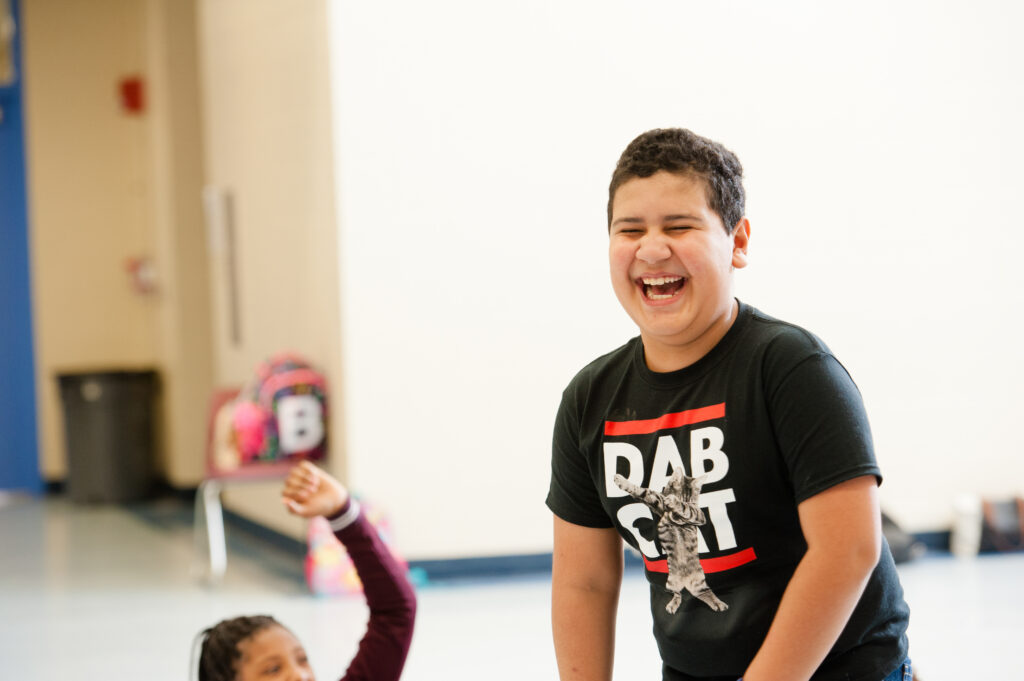
Students in a CAP theatre class at Jacksonville Heights Elementary
In my theatre classroom, Saying “Yes!” means meeting each student where they are, and prioritizing student voice and student choice. I make an effort to foster positive connections with my students and build opportunities for students to forge positive relationships with each other during class. When you are performing improv, your scene partners are your greatest assets. You have to trust that your scene partners will help you build the scene, and in order to be successful, you must rely on each other. For that to work, you must establish trust and respect within the ensemble.
Saying “Yes” to students’ ideas validates their voices and builds confidence. It transforms the classroom from a place where the teacher holds the power to a collaborative learning environment where everyone’s contributions matter.
Rule #2: Say “Yes, and . . .”
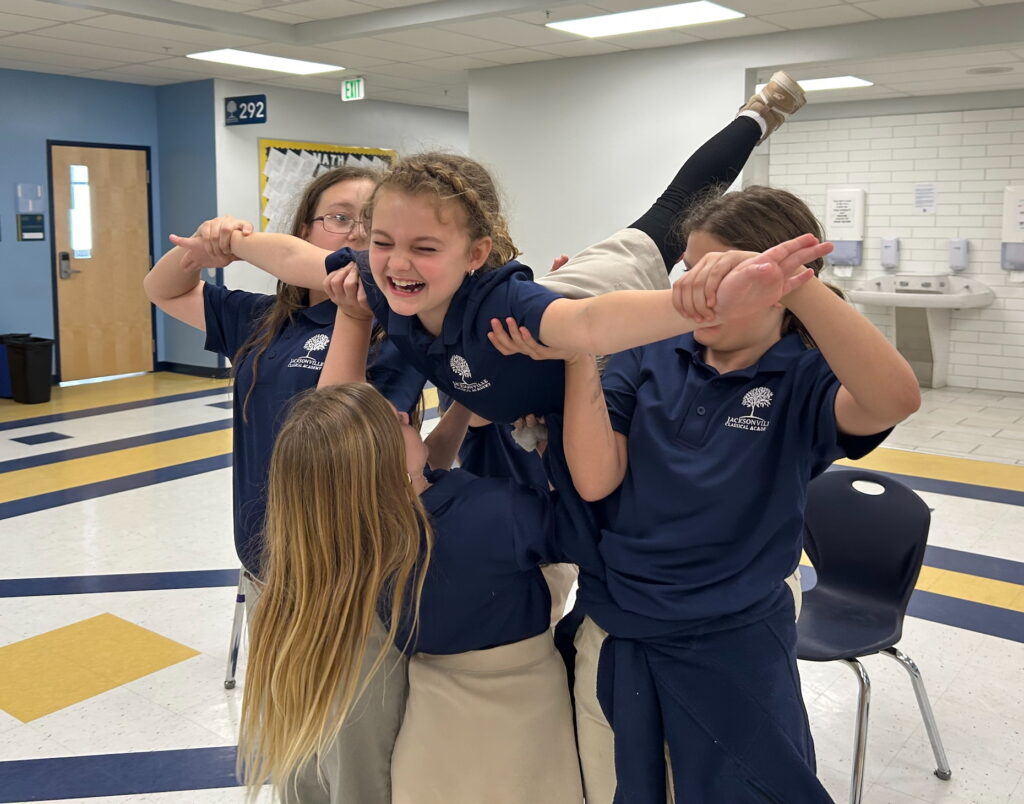
Theatre students at Jax Classical Academy
Taking acceptance a step further, “Yes, and…” encourages building upon others’ ideas. This principle can transform how students interact with each other. Instead of competing or dismissing peers’ suggestions, they learn to build upon ideas, creating richer artistic outcomes than any individual could achieve alone. I’ve watched students who once worked in isolation become enthusiastic collaborators, each adding their unique perspective to strengthen the whole group.
Theatre is a collaborative art form: it takes all kinds of people with different skills to successfully mount a production. You need, actors, sure. But you also need engineers and designers to build the set. You need artists to create costumes and makeup renderings. You need a marketing team to design ad campaigns, sell tickets and fill seats. You need a stage manager who is detail-oriented and organized to make sure that everyone is where they need to be, when they need to be there. You need a director with a creative vision to make sure all of the disparate parts work together to create something beautiful.
Collaboration is paramount to the success of a theatre company, and by honoring each other’s perspectives and expertise, you can create something much better than you could make on your own.
Rule #3: Make Bold Choices & the Power of Failing Better
“Ever tried. Ever failed. No Matter. Try again. Fail Again. Fail better.” – Samuel Beckett
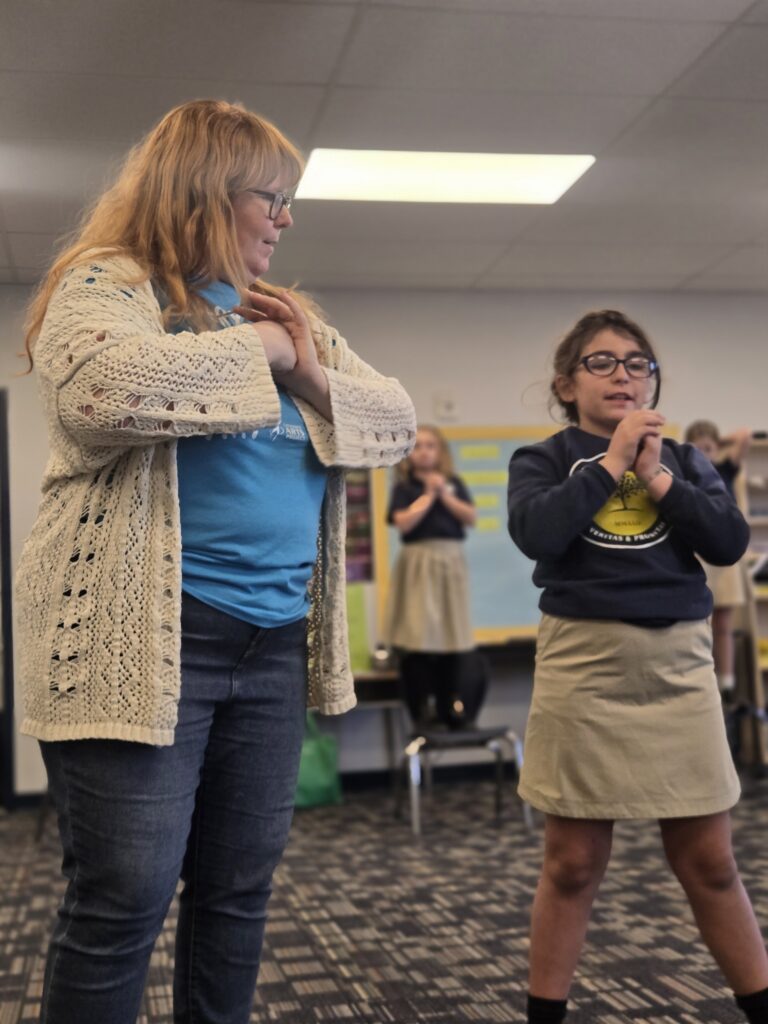
Chelsye working with a theatre student at Jacksonville Classical Academy
Perhaps the most transformative improv rule in my classroom is embracing bold choices and learning to “fail better.”
Art requires risk-taking, and many students arrive terrified of making mistakes. By celebrating creative risks and reframing “failures” as valuable steps in the creative process, I’ve seen remarkable growth in students. Failing and trying again builds persistence and perseverance. These skills are immensely valuable, not only in a theatre practice, but in so many real-life situations. My hope is to cultivate a safe place for students to fail, then try again. If they practice failing and persisting in my classroom, they will be better prepared to “fail better” in other areas of their lives.
In my theatre classes, we celebrate bold choices. Commitment to a character voice or a bold physicality can elevate an acting performance. But constructive feedback is critical to reinforcing bold choices and navigating failure. Constructive feedback is helpful and specific. “I loved how you changed your posture to show us that your character is an old woman.” Or, “I had trouble hearing you this round. Be sure to project your voice!”
As a framework for constructive feedback, I teach students to ask, “What went well? What can we improve for next time?”
Following a performance in class, I implement a variety of tools for assessment. As a subject area expert, I can offer direct feedback to students, but I also create opportunities for self-reflection and peer feedback. I also emphasize that acting is a skill, which is something that you get better at with practice.
No matter what career path my students choose in the future, they are bound to find themselves in a place where the skill of giving and receiving helpful feedback is valuable. By practicing the skill of giving and receiving feedback in theatre classes, students build resilience and communication skills that will benefit them in years to come.
Rule #4: Work Hard to Make Everyone Else Look Good
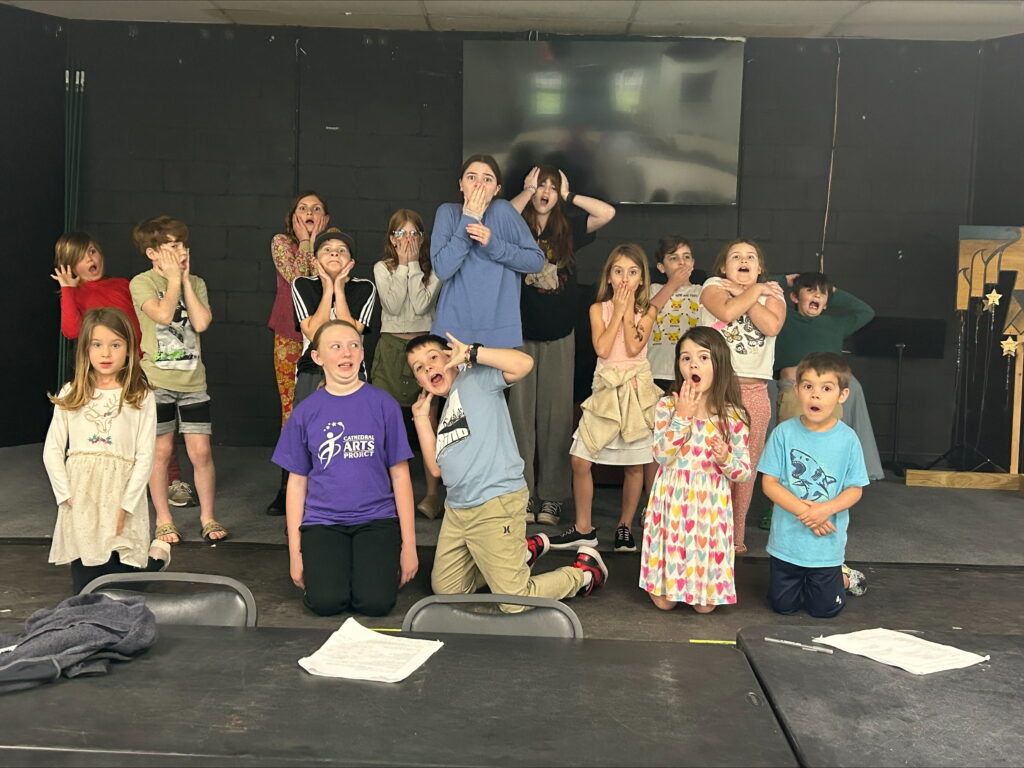
Students in a CAP homeschool theatre class in Nassau County
The improv principle I hold most dear is “Work hard to make everyone else look good.” If you work hard to make everyone else look good, you look good, too. In practice, this means creating a culture of support within the classroom. Making creative choices requires vulnerability, and students will feel more confident taking creative risks if they feel supported by their teachers and classmates.
This improv principle is so important to me that I carve out time in every class for ensemble-building activities. In a theatre classroom, you can build an ensemble by:
-
- Playing cooperative theatre games where students must work together to succeed
- Inviting students to share good news at the beginning of class. This allows the class to get to know each other better and sets a positive tone for the following class time. By asking students to share their highlights, you get to learn more about their personalities, interests and passions. This also allows a platform in class for shyer students to find their voice and share their thoughts with their peers.
- Teaching students how to give constructive feedback, and inviting them to celebrate their classmates’ successes
The Result: Finding Your People
The most meaningful feedback I’ve received comes from former students who told me “You gave me a safe space where I could be myself,” and “You helped me find my people.” By implementing these improv principles, our classrooms become more than a theatre space—they become a place where students discover their authentic voices and find their creative spark. Furthermore, a supportive environment helps foster friendships and build community.
When we embrace the cooperative, team-focused spirit of improvisation, we create classrooms where students don’t just learn arts techniques—they learn how to collaborate, communicate, take creative risks, and lift each other up. These are the skills that transform not just our classrooms, but our students’ lives beyond our walls.
And isn’t that what education is all about? Yes, and…
This article is part of a series of articles featuring CAP Teaching Artist Fellows, sharing monthly insights from their years of experience in arts education, personal stories that impacted their careers as artists and educators, and ideas for families to incorporate more creativity into their everyday lives. In September, we’ll hear from Jacqueline Peterson, CAP Teaching Artist Fellow in Dance.
To be notified when the next story is live, sign up for our email list today.